Cedar Fence Sealing in Puyallup, WA
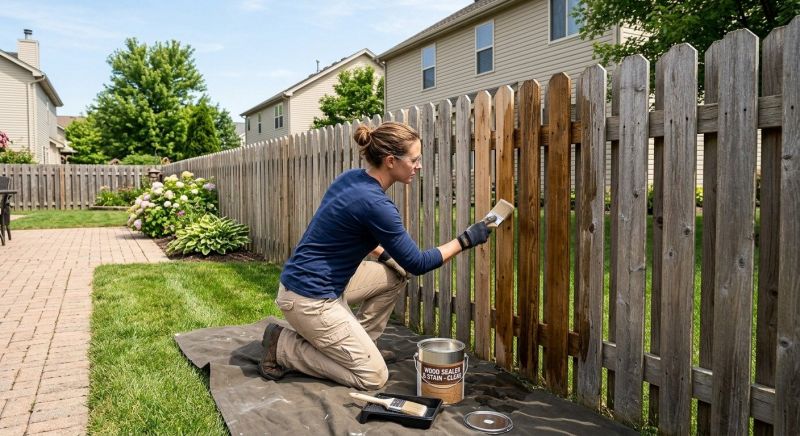
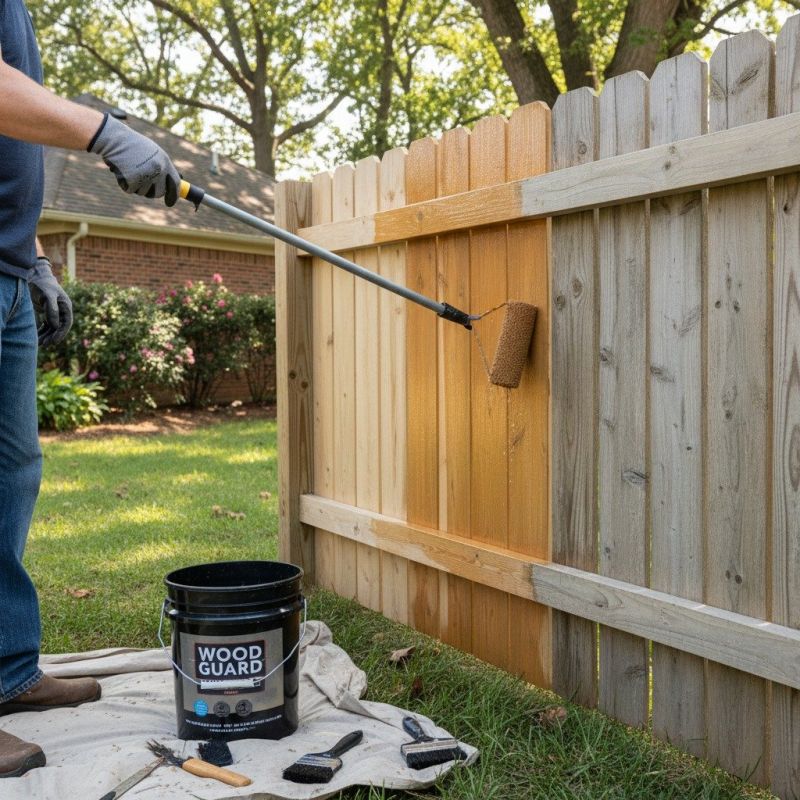
Cedar fence sealing services involve applying protective treatments to cedar fences to enhance their appearance and durability. This process helps guard the wood against moisture, UV rays, and general wear, which can cause fading, cracking, or rotting over time. Projects typically include sealing new fences during installation, as well as restoring older fences that may have become weathered or stained. Property owners often seek this service to maintain the natural beauty of cedar, extend the lifespan of their fencing, and reduce the need for frequent repairs or replacements.
Before requesting cedar fence sealing, property owners usually want to understand the types of sealants used, the recommended frequency of applications, and how the process might affect the fence’s appearance. It’s also common to inquire about preparation steps, such as cleaning or repairs needed beforehand, to ensure optimal results. Clarifying these details can help homeowners make informed decisions and achieve a long-lasting, attractive fence that complements their property’s style.
Many property owners in Puyallup, WA look into Cedar Fence Sealing for repairs, replacements, upgrades, and appearance-related improvements.
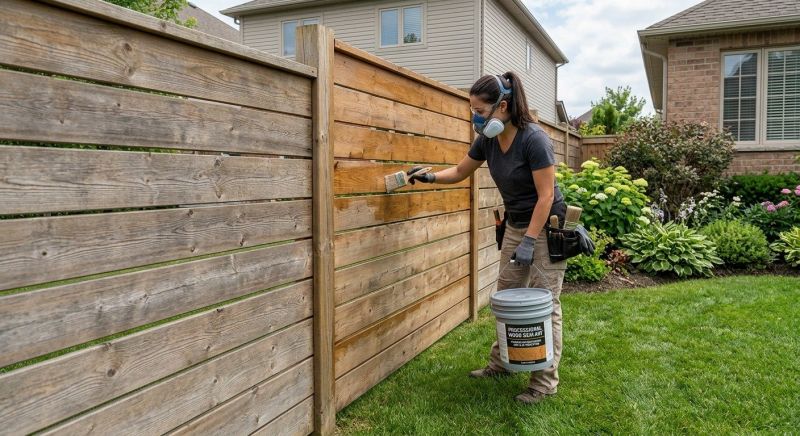
Protecting Cedar Fences
Sealing helps prevent moisture damage and extends the lifespan of cedar fences in puyallup.
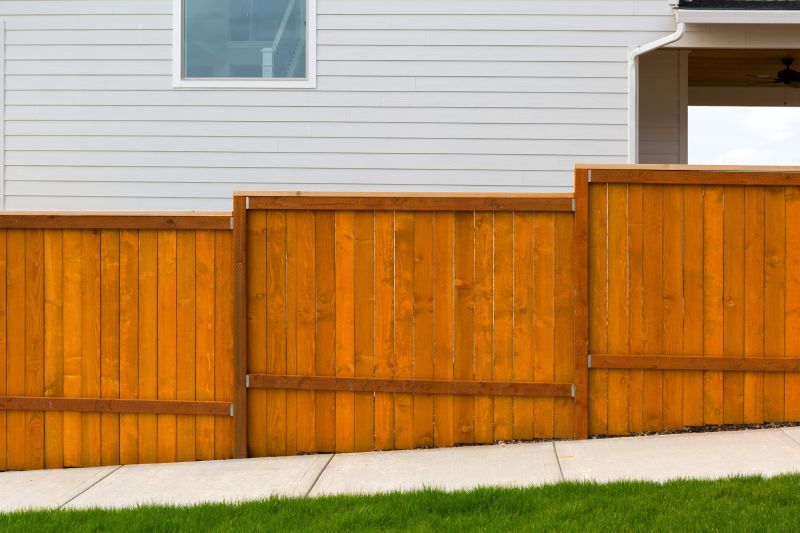
Enhancing Fence Appearance
A quality sealant can improve the natural beauty and color of cedar wood for a fresh look.
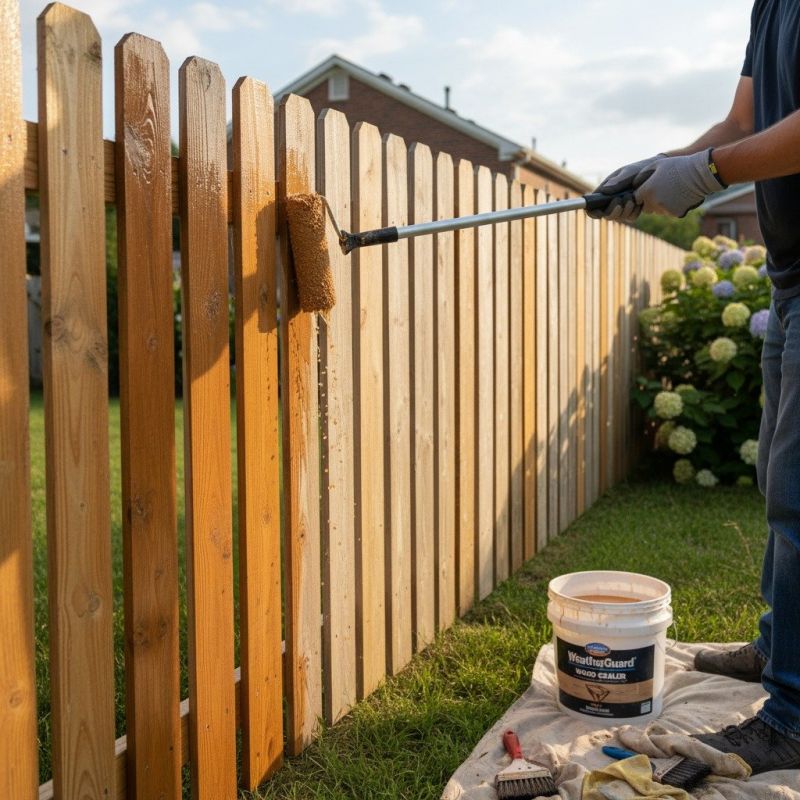
Maintaining Fence Durability
Regular sealing guards against rot, mold, and uv rays, keeping fences strong and reliable over time.
Cedar Fence Sealing in Puyallup, WA
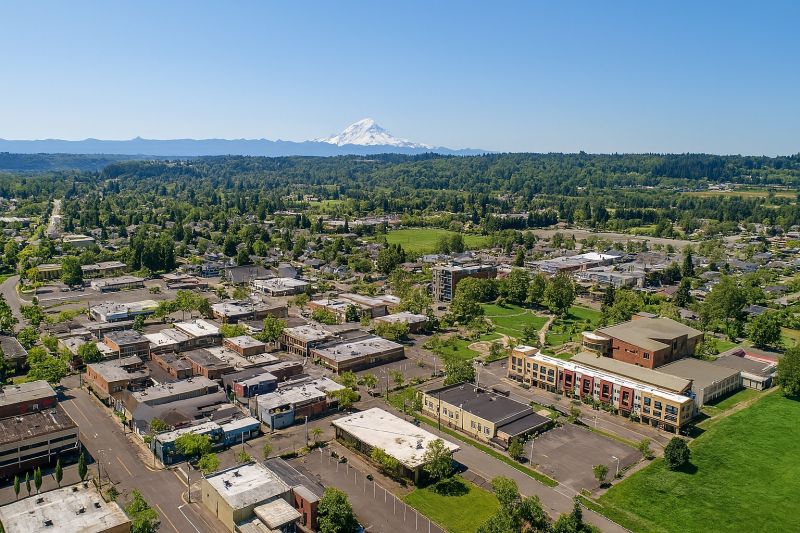
Cedar fence sealing services involve applying protective treatments to cedar fences to enhance their appearance and durability. This process helps guard the wood against moisture, UV rays, and general wear, which can cause fading, cracking, or rotting over time. Projects typically include sealing new fences during installation, as well as restoring older fences that may have become weathered or stained. Property owners often seek this service to maintain the natural beauty of cedar, extend the lifespan of their fencing, and reduce the need for frequent repairs or replacements.
Before requesting cedar fence sealing, property owners usually want to understand the types of sealants used, the recommended frequency of applications, and how the process might affect the fence’s appearance. It’s also common to inquire about preparation steps, such as cleaning or repairs needed beforehand, to ensure optimal results. Clarifying these details can help homeowners make informed decisions and achieve a long-lasting, attractive fence that complements their property’s style.
Many property owners in Puyallup, WA look into Cedar Fence Sealing for repairs, replacements, upgrades, and appearance-related improvements.
Common Cedar Fence Sealing Jobs
Fence sealing - protects cedar fences from moisture and weather damage.
Weatherproofing - helps prevent warping, cracking, and rotting over time.
Maintenance sealing - extends the lifespan of existing cedar fencing.
New fence sealing - enhances appearance and provides long-lasting protection.
Stain and seal applications - improve the durability and color retention of cedar fences.
Routine sealing services - preserve the integrity and value of property fencing.
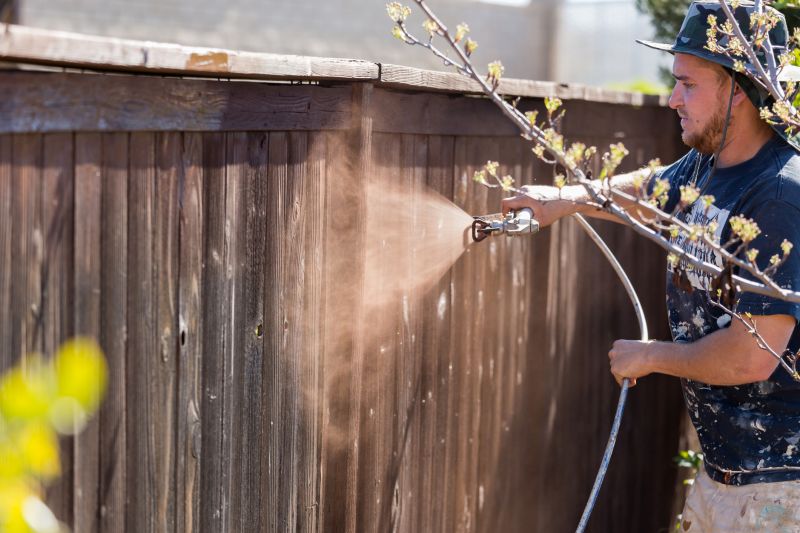
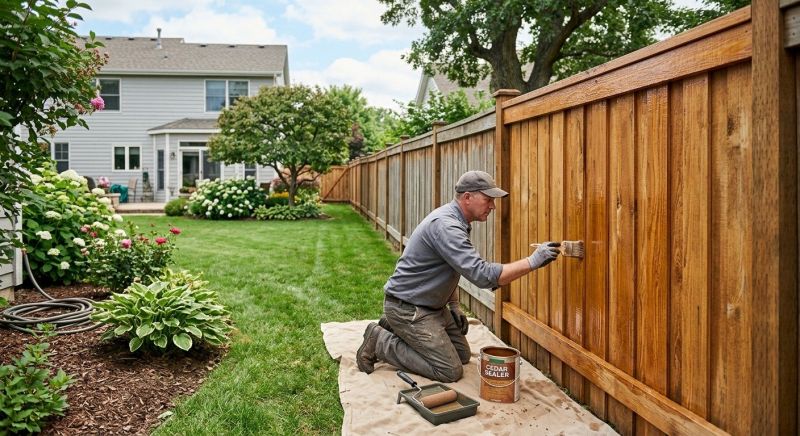
Cedar Fence Sealing Questions
What is cedar fence sealing? Cedar fence sealing involves applying a protective coating to enhance durability and prevent damage from moisture and sunlight.
Why should a cedar fence be sealed? Sealing helps maintain the wood’s appearance, reduces cracking, and extends the lifespan of the fence.
How often should cedar fences be sealed? It is recommended to reseal cedar fences every 2 to 3 years to preserve protection and appearance.
What types of sealants are used for cedar fences? Clear, semi-transparent, or tinted sealants are commonly used to provide protection while allowing the natural wood grain to show.
Request Cedar Fence Sealing in Puyallup, WA
Use the quote form on this page to share the basics of your project and request more information for the type of work you need.